Garage EV Charger Installation in Mississauga
A garage is the ideal home for an EV charger in Mississauga: weather-protected, close to the panel in many homes, and ready for a quick plug-in after the commute. Attached or detached, the run from your panel sets the job.
Published
Updated
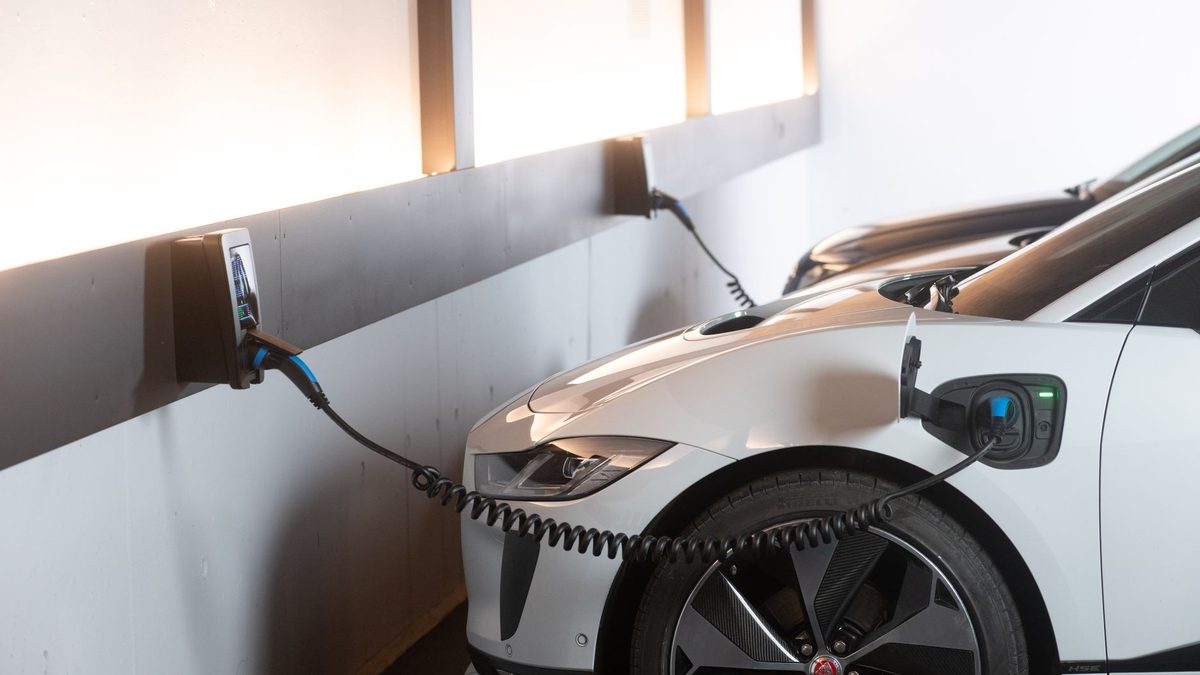
A garage charger in Mississauga needs a cable route and mounting position that suit the parking space. Check where the panel is, how the car enters and whether the cable reaches its charge port. This guide covers those practical decisions and electrical-capacity questions.
Attached garages, the simple case
Most Mississauga detached homes have an attached garage, and many have the electrical panel either on the garage wall or just inside in a utility room. When the panel is close, the install is fast and clean: a short run, a mounted charger, and a tidy circuit. This is the cheapest scenario, and the cost guide shows where it lands on price.
Detached garages and the longer feed
A detached garage at the back of the lot changes the work. Power has to travel from the home's panel out to the garage, usually one of these ways:
- An underground feed in a trench across the yard, the tidiest for a clean garage
- A run along an existing structure or fence line in conduit
- A subpanel in the garage where the feed and future loads justify it
A detached garage often needs that subpanel so the charger circuit has a proper home. It costs more than an attached-garage job, but it is a clean, lasting setup.
Where the panel sits matters most
The single biggest cost factor in any garage install is the distance and routing from the panel to the charger. A panel on the shared garage wall is ideal. A panel in a finished basement on the far side of the house means fishing cable through ceilings, which takes more labour. Your contractor should map the shortest tidy route and run conduit wherever the wiring is exposed.
Plug-in or hard-wired
In a garage you can go either way, and either connection can provide Level 2 charging, with output limited by the circuit, charger and vehicle. A hard-wired unit is tidy and supports the higher amperage some chargers offer. A plug-in setup on a NEMA 14-50 outlet lets you unplug the unit and take it with you, and makes swapping chargers easy. Your contractor can suggest the right one for your unit and how permanent you want the setup.
| Setup | Best for | Note |
|---|---|---|
| Hard-wired | A permanent garage charger | Tidy, supports higher amperage |
| Plug-in (NEMA 14-50) | Flexibility and easy swaps | Unplug and take it if you move |
Panel capacity still applies
A garage location does not change your service size. Many older Mississauga homes are on a 100-amp panel, so a load calculation checks the headroom for the new circuit. Where it is tight, a smart charger with load management or a panel upgrade keeps the install safe, as the panel guide explains.
The winter convenience payoff
A garage charger is at its best in a Mississauga winter. The car charges warm and dry overnight, and a vehicle with supported preconditioning settings can prepare the cabin or battery while plugged in; a smart charger alone does not establish that capability. It is the everyday convenience that makes home charging feel effortless. EV charger installation should be completed by a licensed electrical contractor, and a garage job is no exception, with notification and inspection charges confirmed separately in the actual quote.
Cold weather does shorten range a little, since the battery and cabin heater draw more energy when temperatures drop. Charging in a garage softens that, because the car starts the day warmer than one left out on the street, and preconditioning on grid power means you spend less of the battery warming up on the drive. For a year-round commuter, that small daily advantage is part of why a garage charger earns its keep.
Installation facts and equipment guidance
ESA notification and contractor requirements explain electrical-work responsibilities. Manufacturer charging guidance explains why output varies by vehicle and power supply. Ask the confirmed contractor to apply those requirements to your Mississauga project.
First enquiry and later project review
Start with the short enquiry form: first name, preferred contact details and postal code. After first contact, the service provider may request the project details and photos below. The form does not take attachments.
- Whether your garage is attached or detached
- A photo of your panel with the door open
- A photo of the garage wall where you want the charger
- Rough distance from the panel to that wall
Start with Get A Free Quote. Your enquiry goes to the service provider, which may ask for panel and parking photos after first contact and confirms the contractor, scope, price and availability.
Frequently asked
Is a garage the best place to install an EV charger in Mississauga?+
For most homes, yes. A garage is weather-protected, often close to the panel, and lets you plug in conveniently after the commute. Attached garages are usually the simplest and cheapest install, while detached garages need a feed run from the home's panel.
How much more does a detached garage charger cost?+
It depends on the distance and routing, but a detached garage typically costs more than an attached one because power must be run out to it, often underground, sometimes with a subpanel. A load calculation and a look at the route give a firm number.
Should I get a plug-in or hard-wired charger in my garage?+
Base the choice on the equipment instructions, suitable circuit and how the garage is used. A portable unit may be convenient, while hard-wiring has different installation requirements; neither avoids assessing household capacity or practical cable reach.
Can I charge in an unheated Mississauga garage in winter?+
Check the equipment's rated operating temperatures and installation requirements for your unheated garage. The vehicle may support preconditioning while plugged in, but that depends on the vehicle and settings, not on every smart charger. Available power and time parked still determine how much energy is added.
Does a garage install need an ESA inspection?+
New garage wiring still needs the electrical notification process. Confirm that the Licensed Electrical Contractor handles ESA requirements and provides the applicable completion paperwork; being indoors does not remove electrical approval responsibilities.