Level 2 EV Charger Installation in Mississauga
Explore 240-volt charging for a Mississauga driveway or garage. Match the current to your EV, cable route and available service capacity.
Published
Updated
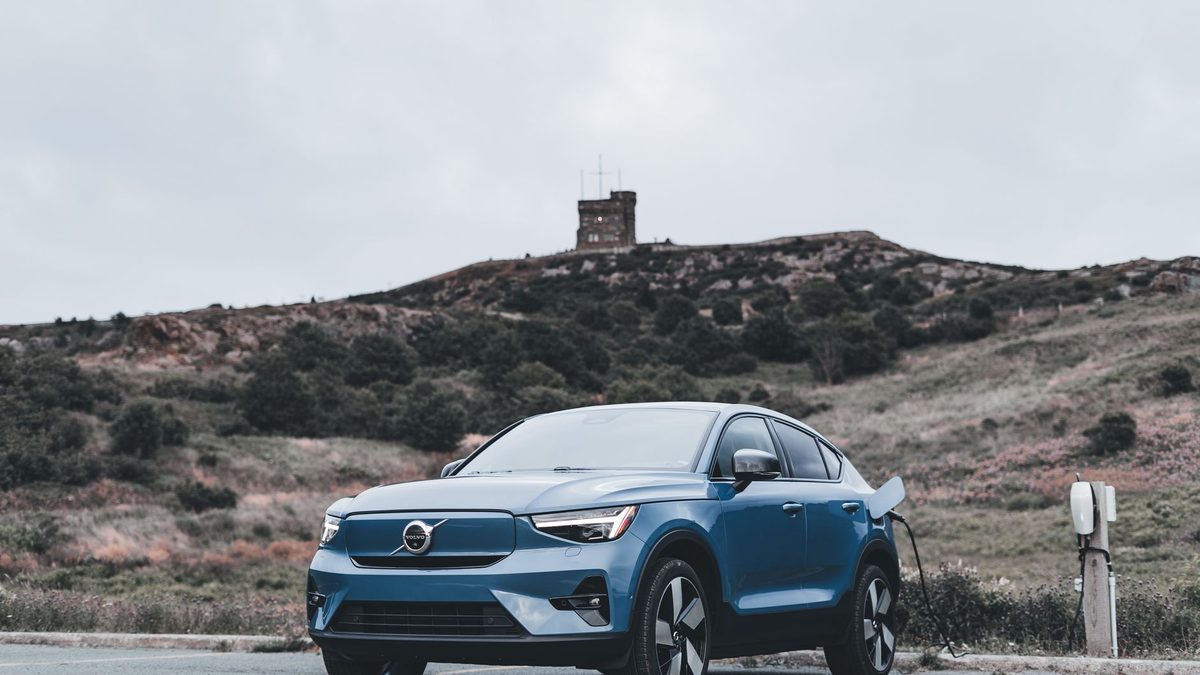
Planning Level 2 charging in Mississauga starts with the vehicle, parking location and available electrical capacity. A garage circuit can involve different work from a driveway or detached-building feed. This guide covers charging speed, panel checks and the details to discuss before agreeing to installation.
Does it cover a full day of GTA commuting?
Charging at your Mississauga home depends on the EV's onboard charger, configured current, available electrical supply and time parked. A Level 2 circuit can add daily driving range faster than a standard outlet, but a full battery from empty is not guaranteed overnight. Confirm the output and daily energy needed with the contractor.
Sizing the circuit to your car, not the other way round
Here is where households waste money if they are not careful. A bigger circuit only charges faster if the car can take it, and most EVs cap their onboard charger somewhere between 32 and 48 amps. Paying for charging at 48 amps when the vehicle tops out at 32 buys you nothing. Your contractor should match the breaker and unit to what your specific EV accepts, while still leaving room for whatever the household drives next.
| What your car can pull | Circuit to assess | Range back in an hour |
|---|---|---|
| 32 amps (many commuter EVs) | 40-amp circuit | about 30 to 38 km |
| 40 amps (mid-range) | 50-amp circuit | about 38 to 48 km |
| 48 amps (long-range and trucks) | 60-amp circuit | about 45 to 55 km |
Your garage layout sets the job
Where you park shapes the work more than anything else. An attached Meadowvale garage with the panel on the shared wall is a fast, tidy install. A detached garage at the back of a Lorne Park lot, or a basement panel that needs cable fished up and across, takes longer and costs a bit more. Your contractor should run conduit where the wiring is exposed and finish it cleanly where it crosses into living space. The garage charger guide covers attached and detached setups in detail.
Hard-wired or plug-in for your driveway
You can hard-wire the charger or feed it from a 240-volt outlet such as a NEMA 14-50. At the same voltage and charging current, either connection can deliver the same Level 2 power to the same vehicle. Actual output is limited by the circuit, charger and vehicle. Hard-wiring is tidy and supports the higher amperage some units offer, while a plug-in setup lets you unplug and take the charger with you if you move. Your contractor can recommend based on your unit and parking spot rather than a blanket rule.
Booking the work around the household week
Installation timing must be confirmed for your project. A short garage run can be done in a morning, while a longer fished run or a detached garage takes most of a day. Your contractor should confirm the timeline after reviewing your panel and parking spot, so you can book the work for a day that suits the household rather than guessing. If a panel upgrade turns out to be needed, your contractor should flag the extra time clearly before any work starts.
So why not just use the cord that came with the car?
Plenty of new owners ask exactly that. The cord that ships with the EV is a Level 1 charger, run off an ordinary 120-volt outlet, and it recovers only about 6 to 8 km of range an hour. That is fine for a retiree who barely drives, but for a two-commute Streetsville household it never catches up; you would lose ground every day. Level 2 runs on a dedicated 240-volt circuit and delivers four to seven times the speed, which is exactly what turns an overnight park into the charge needed for daily driving.
Smart charging for the cheapest overnight rate
The other reason Level 2 wins is timing. A smart charger can be set to run only during off-peak hours, so the car fills while Alectra rates are at their lowest and you are asleep. Many units also report how much energy and money each session used. The Alectra rates guide goes deeper on the billing side.
Installation facts and equipment guidance
ESA notification and contractor requirements explain electrical-work responsibilities. Manufacturer charging guidance explains why output varies by vehicle and power supply. Ask the confirmed contractor to apply those requirements to your Mississauga project.
First enquiry and later project review
Start with the short enquiry form: first name, preferred contact details and postal code. After first contact, the service provider may request the project details and photos below. The form does not take attachments.
- Your EV model and its supported charging output
- A photo of your panel with the door open
- A photo of the parking spot and where you want the charger mounted
- Whether you prefer a hard-wired or plug-in setup
Start with Get A Free Quote. Your enquiry goes to the service provider, which may ask for panel and parking photos after first contact and confirms the contractor, scope, price and availability.
Frequently asked
Can a Level 2 charger keep up with my daily 403 commute?+
Use the energy your usual 403 trips consume and the time between arriving home and leaving. Check those needs against the EV's AC limit and the circuit output; exceptional long days may need different planning.
Is a 48-amp charger worth it for my EV, or is 40 amps enough?+
Check the vehicle's maximum AC input first, then compare expected nightly energy at each permitted setting. If a lower output meets the parking routine, the larger specification may provide little practical benefit.
Can I get Level 2 charging in a detached garage at the back of the lot?+
A detached garage can be considered after the supply path is reviewed. The contractor should assess any existing feeder and the route through the lot, including access and any restoration before quoting.
Will the install take my car off the road for long?+
The car generally needs to be available for final charging checks rather than parked throughout all work. Ask the contractor when access to the garage or driveway is required and agree the schedule for your project.
Does charging faster on Level 2 cost more on my Alectra bill?+
Alectra bills energy used under your selected tariff, not a separate Level 2 price. Session timing, energy losses and vehicle use affect the result, so compare grid energy and actual charging hours.